
Cambridge listing preparation guide: what to do before you list?
This Cambridge listing preparation guide gives homeowners a clear two-week timeline with step-by-step tasks, room-by-room photo and staging checklists, municipal stop points, and explicit triggers for when to call your agent. Use it to organise work, avoid costly mistakes on heritage or permit questions, and make your home publish-ready before the listing goes live.
Two-week timeline: what to do and when to stop
Follow this ordered plan from 14 days to listing day. Each block ends with stop points that tell you when to pause and consult your agent.
Day 14-8: low-cost fixes, declutter, and big-picture checks
- Declutter one room at a time: clear flat surfaces, remove excess furniture, and pack non-essential personal items into labelled boxes.
- Deep clean or arrange a professional clean for high-traffic areas: kitchen, bathrooms, entry and main living spaces.
- Address safety and code items: test smoke detectors, replace burned-out bulbs, tighten handrails, and fix loose flooring or steps.
- Gather documents buyers request: recent utility bills, appliance manuals, warranties, renovation receipts, and property surveys.
- Check heritage or municipal restrictions before altering character-defining features or exterior finishes. Review City of Cambridge planning and heritage resources before making changes: City of Cambridge guidance.
Stop point: If you plan exterior changes, new siding, or to remove historic trim, pause and confirm heritage status or permit needs with your agent and the City of Cambridge planning office before proceeding.
Day 7-3: staging, painter touch-ups, and photographer briefing
- Complete small cosmetic repairs: touch-up paint, replace cracked tiles, reglaze minor caulking in bathrooms.
- Stage high-impact rooms: kitchen, primary bedroom, main living room and entry. Remove personal photos and excess memorabilia so buyers can picture themselves in the space.
- Confirm staging logistics: who moves furniture, what rental items are needed, and when staging will be installed and removed.
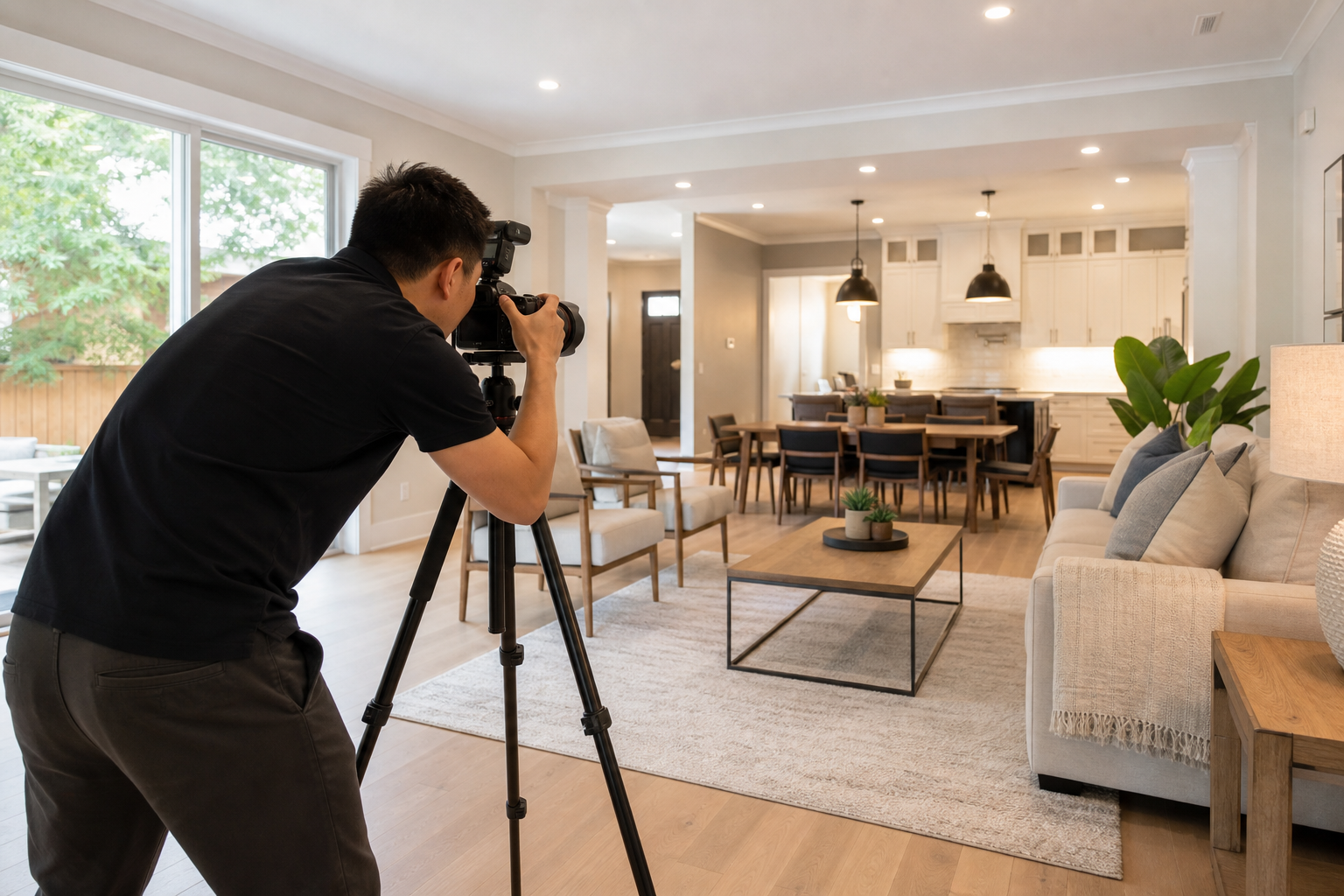
- Agree shot list and photo window with your listing agent and the photographer to reduce re-shoots; follow a photo-count and pre-shoot checklist so key spaces are covered.
Stop point: If staging will require structural changes or significant furniture removal, call your agent to schedule staging and to discuss timing and storage options.
48 hours before the agent visit: your pre-listing mini-briefing
Use the final 48 hours to prepare a concise packet and talking points so the first meeting is productive. Industry guidance recommends a pre-listing blueprint in the 48 hours before meeting a seller to form confident, strategic decisions about pricing and marketing: realtor.com pre-listing blueprint.
- Assemble the documents you gathered earlier and a short list of your goals and non-negotiables.
- Note any recent neighbourhood sales you know about and list times you want showings avoided.
- Prepare a walk-through of the property and point out recent upgrades or known issues for the agent to inspect.
Stop point: If the agent flags possible permit or heritage issues during the walk-through, stop cosmetic work and arrange a municipal check or permit review before continuing.
Photo and staging preparation: a room-by-room checklist
Quality photography is often the factor that determines initial buyer interest. Use this room-by-room checklist and a photographer brief to limit re-shoots and get publish-ready images first time. For practical pre-shoot checks and photo-count guidance, see DoorAppeal resources: DoorAppeal pre-shoot resources.
Room priorities and photo-count guidance
- Kitchen: clear counters, remove magnets and paper from the fridge, stage a simple bowl of fruit or vase. Request 6–8 photos to capture layout, finishes and workflow.
- Main living room: arrange furniture to showcase flow and natural light. Request 3–5 photos, including a wide-angle shot.
- Primary bedroom: neutral bedding, decluttered nightstands. Request 2–4 photos.
- Main-floor entry and powder room: tidy and bright; request 1–2 photos each.
- Bathrooms: remove personal items, hang fresh towels, and ensure mirrors are streak-free. Request 2–3 photos per full bathroom.
- Exterior: tidy the yard, mow the lawn, remove parked cars from the driveway for exterior shots; plan for golden-hour lighting if possible and request 3–6 exterior and neighbourhood shots.
Adapt photo counts to the property with your photographer and agent. Many listing teams use a standard shoot plan and then add specialty shots for unique features or aerials: see how local teams plan launches for maximum exposure at GV Realty Services.
Photographer brief: what to confirm before the shoot
- Shot list: confirm rooms, special features, and exterior angles.
- Daylight window: agree on the best time of day for exterior and interior natural light.
- Access and keys: confirm arrival time, where to park, and who will meet the photographer.
- Deliverables: resolution, number of edited photos, turnaround time, and digital file format for MLS and social advertising.
- Drone or virtual tour needs: decide in advance if aerials or a floor plan will be ordered.
Stop point: If there is confusion about the shot list or the home is not tidy on the morning of the shoot, call your agent immediately to reschedule or to request a quick touch-up crew.
Check local rules: heritage, permits, and when to pause changes

Cambridge maintains planning and heritage documentation that sellers should consult before altering exterior materials or character-defining elements. If your property is heritage-designated or in a conservation area, the City of Cambridge resources explain the assessments and steps used to inform heritage decisions: see the City of Cambridge council information package.
How to check if your property is heritage designated or needs permits
- Search the City of Cambridge website or contact the planning department to ask whether your address appears on any heritage lists or has recent planning files.
- Bring renovation receipts, surveys and any previous municipal approvals to your pre-listing meeting so the agent can confirm permit history.
- If in doubt, pause exterior work and ask your agent to help contact planning staff to confirm whether a permit or heritage check is required.
Stop point: Do not remove original trim, replace historic windows, or apply permanent exterior treatments until heritage and permit status is confirmed.
Repairs and cosmetic work that move the needle
Decide which repairs to complete using a simple test: cost versus expected buyer expectation, how long the work will take, and the disruption it causes. Prioritise safety, visible deferred maintenance and small cosmetic updates that improve perceived value.
Decision criteria: ROI, time, disruption, and compliance
- High priority: safety and compliance issues, roofing leaks, major HVAC or electrical hazards.
- Medium priority: kitchen cabinet hardware, worn flooring in main living areas, outdated lighting fixtures.
- Low priority: extensive structural renovations or large additions that require permits and weeks of work, unless market analysis indicates a strong return.
Stop point: For major projects, call your agent to compare the expected return versus selling as-is and to discuss timing and listing strategy.
What your agent should provide at listing launch
Expect a written, timed marketing plan and clear deliverables at launch. Purihomes emphasises responsive, local guidance for Cambridge sellers and will provide core items as part of a listing launch conversation: Purihomes.
Marketing scope and timing you should expect
- Professional photography and MLS entry within the agreed photo window.
- A written marketing plan with timing for social advertising, targeted outreach and open-house dates.
- Staging recommendations and coordination with a vendor if needed.
- Weekly reporting on interest and feedback, and a plan for follow-up actions if showings reveal consistent concerns.
Stop point: If your agent cannot supply a clear photo schedule, a written marketing plan or weekly reporting, ask for specific timelines and examples of previous Cambridge launches before proceeding.
Day-of photography and open-house readiness checklist
- Final tidy and vacuum; hide trash bins and pet items.
- Turn on all interior lights, open curtains and blinds to maximise natural light.
- Park vehicles off-site for exterior shots and clear driveways.
- Secure valuables and prescription medications off-site.
- Arrange pet care and ensure pet doors are closed; label any alarm systems for the photographer and agent.
Stop point: If last-minute repairs appear necessary on photo day, pause and call your agent to decide whether to proceed, reschedule, or apply a quick cosmetic fix.
Common seller objections and how to evaluate them
- "Staging costs too much." Evaluate expected uplift in buyer interest; ask for a staging quote and a list of must-have items versus optional pieces.
- "I don’t want to remove personal items." Neutral photos sell faster because buyers visualise themselves in the space; remove the most personal items and keep a few tasteful accents.
- "I had renovations but no permits." Disclose honestly and ask your agent for next steps; unresolved permit history is a stop point that may require municipal consultation.
When objections are unresolved, use them as triggers to schedule a formal pre-listing consultation with your agent and, when needed, with licensed trades or municipal staff.
Frequently asked questions
Do I need municipal approval for exterior changes before listing in Cambridge?
If your property is heritage-designated or in a conservation area, you must check City of Cambridge planning and heritage records before altering character-defining features; see the City of Cambridge council information package linked above for how heritage assessments inform listing changes.
How should I prepare rooms for professional listing photos?
Declutter, deep clean, neutralise décor, stage high-impact rooms like the kitchen and main living area, and follow a photo-count plan with your photographer to ensure key spaces are captured; DoorAppeal resources list practical pre-shoot checks and photo-count guidance.
What repairs should I prioritise versus postpone until after offers?
Prioritise safety and visible deferred maintenance, small cosmetic updates with high perceived value, and any work that will remove buyer objections. Major renovations that need permits are often better discussed with your agent before proceeding.
How far in advance should I schedule staging and photography?
Schedule staging and photography during the week before listing where possible. Follow the two-week timeline above to finish low-cost fixes and deep cleaning before staging and the photo shoot.
How do I book a pre-listing consultation with Ashwani Puri?
To book a pre-listing consultation and review a customised Cambridge listing plan, visit the Purihomes sellers guide: sellers guide, or contact Ashwani Puri directly via Purihomes.
Quick next steps
Convert this Cambridge listing preparation guide into a one-page checklist to use while prepping the house. Start by completing the Day 14 tasks, review heritage status if you plan exterior work using the City of Cambridge guidance, and then schedule a 48-hour pre-listing meeting with your agent to finalise the launch plan.
Ready to book a pre-listing consultation? Contact Ashwani Puri to review your property, arrange a photo brief and agree a marketing plan tailored to Cambridge, Kitchener and Waterloo.
For more detailed reading, see the Purihomes sellers guide, the realtor.com pre-listing blueprint: realtor.com article, the DoorAppeal pre-shoot resources: DoorAppeal, and the City of Cambridge planning information: City of Cambridge PDF.