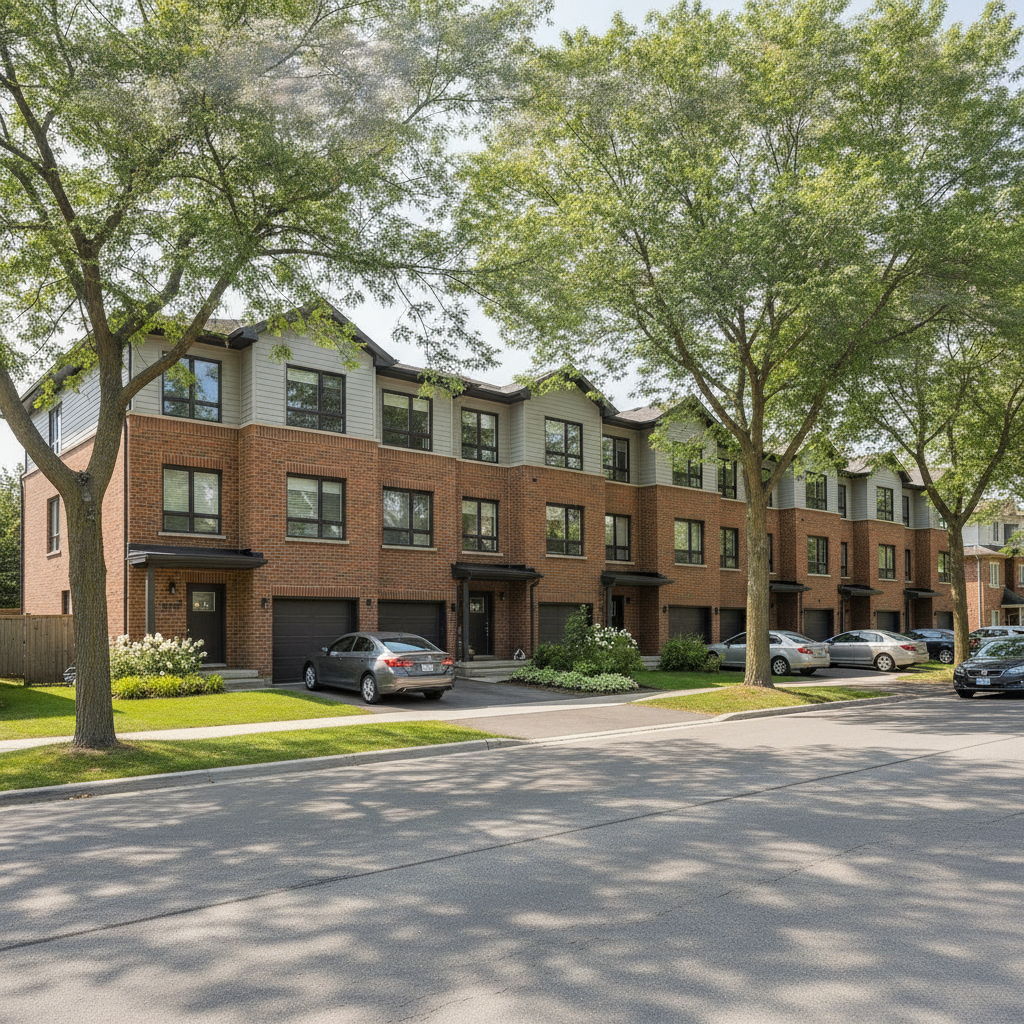
Multi-family homes for sale are residential properties with two or more self-contained units, such as duplexes, triplexes, and fourplexes. The fastest way to find multi family homes for sale in Cambridge is to combine MLS alerts, local street knowledge, and rapid showings that lead to clean, data-backed offers.
By Ashwani Puri • Visit my real estate site
Last updated: 2026-06-28
Above the Fold: Hook + Table of Contents
Set automated MLS alerts, verify zoning and legal unit status, and tour priority streets early in the week. Then analyze rent potential, stabilize numbers with a 5–10% vacancy buffer, and submit a clean, deadline-driven offer. This disciplined rhythm uncovers better duplex and triplex opportunities faster in Cambridge.
- What a multi-family property is (simple definition)
- Why multi-family matters for wealth-building
- Search workflow: from alerts to accepted offer
- Property types: duplex, triplex, fourplex
- Best practices for first-time investors
- Tools and resources you can use today
- Cambridge-specific insights and field tips
- Mini case studies and examples
- Pricing factors to watch (no dollar amounts)
- Financing, risk, and landlord readiness
- FAQ and next steps
Quick Summary
Finding multi-family homes in Cambridge is a repeatable process: define your buy box, use MLS alerts, pre-underwrite the rent roll, and write decisive offers. Buyers who act within 24–48 hours of listing and include verification of funds see meaningfully higher acceptance rates in competitive weeks.
Here’s the short version of our complete guide. If you only have five minutes, focus on these steps and links.
- Define your buy box: 2–4 units, target cap rate range, unit mix you’ll accept.
- Automate discovery: Create saved searches on our interactive map search and set a new listing alert.
- Pre-approval: Bring a current letter and proof of funds; aim to respond to new listings within 24–48 hours.
- Walk the area: Ground truth listings with quick drive-bys; note parking, transit, and noise.
- Underwrite fast: Use conservative rents and include a 5–10% vacancy and 8–12% maintenance reserve.
- Offer clean: Reasonable conditions with short timelines and clear deposit logistics.
What Is a Multi‑Family Home?
A multi‑family home is a residential property with two to four legal, self‑contained units, typically sharing land and utilities. Common formats include duplexes, triplexes, and fourplexes. These properties enable “house hacking,” where owners live in one unit while renting the others to offset expenses.
In practical terms, 2–4 unit properties sit in a sweet spot. They’re financed with residential lending guidelines while offering multiple rental streams that reduce vacancy risk compared to a single-unit home.
- Duplex: Two units, often side‑by‑side or up/down; separate entrances are common.
- Triplex: Three units; often a main unit plus two smaller suites.
- Fourplex: Four units; the upper limit for most residential lenders.
For many Cambridge buyers, a duplex is the easiest entry point. You can stabilize income with a single long‑term lease while renovating the owner’s unit. That simple sequence improves livability and cash flow without taking on too many variables at once.
Why Multi‑Family Matters for Buyers and Investors
Multi‑family homes accelerate equity growth by spreading fixed costs across multiple rents while keeping financing residential. Diversified income streams reduce vacancy risk, and owner‑occupied financing can offer more favorable terms than commercial loans for similar cash‑flow potential.
Why this matters in the GTA and Cambridge corridors is simple. With two to four leases, a single month of vacancy impacts only 25–50% of income rather than 100%. That resilience helps you ride market swings while paying down principal monthly.
- Leverage residential financing: 2–4 units typically qualify under residential programs.
- Income diversification: More doors mean steadier revenue, even during tenant turnover.
- Value‑add options: Cosmetic upgrades in kitchens and baths can lift rents meaningfully.
- House hacking: Live in one unit while the other unit(s) contribute to carrying costs.
In our experience guiding buyers across Cambridge, portfolios often start with one small multi‑unit and scale from there. The first 12 months are about systems: tenant screening, maintenance cadence, and clean bookkeeping.
How the Search and Offer Process Works
Win multi‑family deals by moving fast and clean: automate alerts, pre‑underwrite rents and expenses, tour quickly, and submit decisive offers with short, reasonable timelines. Back your price with data, proof of funds, and a respectful, professional package sellers can say yes to.
Here’s the workflow our Cambridge buyers use to land strong properties without guesswork.
- Clarify the buy box: Units (2–4), target neighborhoods, parking, and condition tolerance.
- Automate alerts: Set filters on our map search and enable a daily listing alert.
- Pre‑approval locked: Keep documents ready; refresh every 60–90 days.
- Drive‑by screening: Check curb appeal, noise, and transit within 24 hours of listing.
- Tour + checklist: Photograph mechanicals, panels, windows, and common areas.
- Underwrite: Conservative rents, 5–10% vacancy, 8–12% maintenance, taxes, insurance, utilities.
- Offer package: Clean conditions and short timelines; include proof of funds.
- Conditions period: Order inspection, review leases, and confirm unit legality.
- Close + stabilize: Schedule handyman tasks and tenant communications for day one.
Process clarity is what separates accepted offers from “almost.” Keeping a 7–14 day cadence from first alert to firm deal is common when the fit is right and paperwork is ready.
| Stage | What You Do | Data to Collect | Typical Timeline |
|---|---|---|---|
| Discovery | Set alerts and map filters | Target streets, unit count, parking | Same day |
| Screening | Drive‑by + quick research | Transit, schools, utilities | 24–48 hours |
| Touring | Book showings; inspect systems | Furnace age, panel amps, windows | 48–72 hours |
| Underwrite | Model rents and expenses | Rents, vacancy 5–10%, reserves 8–12% | Same day |
| Offer | Submit clean terms | Proof of funds, timelines | Within 24 hours |
Types of Multi‑Unit Properties
Most Cambridge multi‑family buyers choose between duplex, triplex, and fourplex homes. Duplexes are the quickest entry, triplexes add flexibility in unit mix, and fourplexes maximize door count while remaining within residential lending for many programs.
Choosing the right type is about unit mix, maintenance complexity, and your management bandwidth.
- Duplex: Simplest operations; ideal for house hacking with one rental plus owner unit.
- Triplex: Three income streams; often one larger and two smaller suites.
- Fourplex: Highest door count in residential space; more leases and turnovers to manage.
Layout matters. Side‑by‑side duplexes reduce sound transfer. Up/down layouts simplify utilities. Parking availability drives tenant demand in commuter‑heavy pockets.
| Property Type | Typical Units | Pros | Considerations |
|---|---|---|---|
| Duplex | 2 | Simple ops; strong for owner‑occupants | Limited diversification vs 3–4 units |
| Triplex | 3 | Better income spread; flexible rents | More leases; watch common‑area wear |
| Fourplex | 4 | Max doors under residential lending | Higher turnover and maintenance |
Best Practices for First‑Time Multi‑Family Buyers
Win your first multi‑family by keeping the buy box tight, underwriting conservatively, and writing clean, respectful offers. Document unit legality, inspect major systems, and plan a 90‑day stabilization with small, high‑ROI improvements tenants notice.
From our Cambridge buyer files, these patterns repeat and work.
- Keep criteria specific: Example: “2–3 bed upper, 1–2 bed lower, two parking, separate entrances.”
- Underwrite with buffers: Vacancy 5–10%, maintenance 8–12%, property management line even if self‑managed.
- Document everything: Legal unit status, ESA/Fire inspections where applicable, lease copies.
- Focus on livability: Bright paint, modern lighting, and clean flooring make units lease faster.
- Offer etiquette: Professional tone, complete paperwork, and clear timelines build trust with sellers.
Small wins compound. Replacing three dated light fixtures per unit can lift perceived value immediately. Fresh caulking, smoke/CO alarms, and tidy common areas reduce tenant complaints in the first 30 days.
Tools and Resources to Use Today
Speed comes from systems. Use saved MLS searches, same‑day listing alerts, and a simple underwriting template with conservative rent comps and buffers. Pair that with a pre‑approval letter and you’re ready to write offers the day the right property hits.
These resources help Cambridge buyers move quickly and confidently.
- Interactive MLS map search to pinpoint duplex, triplex, and fourplex inventory.
- New listing alert setup so you never miss day‑one opportunities.
- Open house schedule for quick, low‑friction first looks.
- Read our buyer’s guide and first‑time buyer checklist to prep documents.
- Browse current residential listings and flag multi‑unit candidates.
- Cross‑check broader marketplace trends in a real‑estate marketplace overview like this marketplace explainer.
Soft CTA: Want a custom multi‑family short list this week? Send your buy box and we’ll set up alerts and off‑market outreach that match it.

Cambridge Market Insights and Field Tips
Cambridge multi‑family demand clusters near transit and shopping corridors where tenants value quick commutes and amenities. Prioritize blocks with stable parking, walkable errands, and low noise. Daylight photos and tidy common areas improve leasing speed in any season.
Patterns we watch in Cambridge neighborhoods help you move from “maybe” to “write.”
- Transit adjacency: Properties near bus nodes lease faster; noise tradeoffs are worth checking at rush hour.
- Amenities matter: Walkable groceries, clinics, and parks lower tenant churn by making daily life easier.
- Parking predictability: Dedicated spots reduce friction; count spaces carefully during tours.
Local considerations for Cambridge
- Time showings around commuter windows to gauge true street noise near hubs like Pinebush Station.
- Weekends see higher foot traffic around SmartCentres Cambridge; note parking pressure and evening lighting.
- Winter photos can look flat; schedule daylight shoots and keep walkways clear to boost tenant interest.
Case Studies and Real Examples
Small, deliberate moves win multi‑family deals: a tight buy box, early tours, and clean offers. Cambridge buyers who paired conservative underwriting with fast timelines often secured better locations and smoother closings than slower, over‑negotiated attempts.
These simplified examples mirror how our clients approach the process (details anonymized):
- House‑hack duplex near amenities: Owner occupied the 2‑bed upper and leased the 1‑bed lower. Within 30 days, a paint refresh, LED lighting, and minor bath caulking lifted interest and reduced vacancy risk immediately.
- Triplex with unit mix: One 2‑bed plus two 1‑beds attracted different renter profiles, spreading turnover. A 10% reserve line in underwriting covered annual common‑area touch‑ups without surprises.
- Fourplex stabilization plan: Staggered lease expiries by 60 days to avoid simultaneous turnovers. Simple hallway repaint and exterior lighting improved safety perception and tenant retention.
In each case, speed plus clarity won the offer. The follow‑through—stable rent collection systems, recurring maintenance, and clear tenant communication—kept things on track.
Pricing Factors to Watch (No Dollar Amounts)
Prices for multi‑family homes reflect unit legality, condition of major systems, parking count, and actual rent roll versus market potential. Buyers win by paying for verified income and realistic unit condition—not hypothetical upgrades that haven’t been executed.
When reviewing a duplex, triplex, or fourplex, align price expectations with tangible value drivers:
- Legal status: Verified units command stronger values versus unconfirmed suites.
- Mechanicals: Furnace, electrical panel amperage, roof, and windows drive upcoming capital planning.
- Parking: Extra spots can broaden the tenant pool and shorten lease‑up timelines.
- Rent roll realism: Compare current leases with conservative rent comps; avoid paying for speculative premiums.
For broader context on browsing regional inventory styles beyond your shortlist, you can scan consolidated listing hubs like this active listings page. Use them to sense supply variety, then bring your Cambridge‑specific questions back to our MLS filters.
Financing and Qualification Basics
Most 2–4 unit purchases use residential lending, often allowing a portion of projected rent to count toward qualification. Keep pre‑approval current, document leases, and model cash flow with conservative assumptions to avoid shortfalls during underwriting.
Lenders evaluate risk and stability. Clear documentation reduces friction.
- Residential scope: 2–4 units typically fall under residential programs; 5+ often shift to commercial.
- Income treatment: Many lenders consider a portion of projected or existing rent—frequently 50–80%—in qualification models.
- Buffers matter: Add 5–10% vacancy and 8–12% maintenance in your model to stay resilient.
- Owner‑occupied benefits: Living in one unit can unlock friendlier terms versus non‑owner options.
Keep a simple underwriting sheet handy during tours. Plug in conservative rents, utilities, taxes, insurance, reserves, and mortgage estimates. If the numbers work with buffers, the property deserves an offer conversation.
Due Diligence and Risk Management
Protect your downside by confirming legal unit status, reviewing leases, and inspecting major systems. Model conservative rents, check for arrears, and plan a 90‑day stabilization schedule. Good files and clear conditions keep closings on time.
Due diligence is a checklist, not a mystery. Work through these consistently:
- Unit legality: Confirm permits, fire code requirements, and unit separation where applicable.
- Lease review: Rent, deposit status, expiry dates, and any side agreements.
- Mechanical systems: HVAC age/condition, panel capacity, roof condition, and window integrity.
- Utilities: Separate meters vs. shared; estimate typical usage for each unit size.
- Tenant histories: Payment patterns and maintenance requests inform future workload.
We keep files organized so your offer stands out and your conditions are realistic. Sellers prefer certainty; clean documentation provides it.
Landlord Readiness and Day‑One Operations
Stabilize quickly with simple systems: a welcome letter, maintenance request channel, and a recurring checklist for smoke/CO alarms, gutters, and common‑area cleaning. Clear communication reduces early churn and improves online reviews.
Operational readiness in the first 30–90 days reduces headaches for years.
- Tenant onboarding: Welcome letter, contact method, and payment instructions—sent 7 days before possession.
- Checklist cadence: Monthly common‑area cleaning; quarterly safety checks; semiannual gutter clears.
- Vendor bench: Keep a short list of a handyman, HVAC tech, and electrician for quick calls.
- Recordkeeping: Track maintenance and communication; patterns guide capital planning.
Small, steady improvements—entry lighting, fresh hall paint, reliable snow removal—show up in tenant satisfaction and retention. The compounding effect is real.

Frequently Asked Questions
Most first‑time multi‑family buyers ask about finding legal units, qualifying with rental income, and how fast to write offers. The right move is to verify unit status, keep pre‑approval current, and respond to day‑one listings with clean terms.
How do I find multi family homes for sale without missing new listings?
Create a saved search with narrow filters and enable same‑day alerts. Drive by within 24 hours, then tour quickly with a checklist. If underwriting is positive with conservative rents and buffers, prepare a clean, deadline‑driven offer package.
What’s the difference between a duplex, triplex, and fourplex?
A duplex has two units, a triplex has three, and a fourplex has four. Duplexes are simplest to manage and great for house hacking. Triplexes add diversification. Fourplexes maximize door count while typically remaining in residential lending.
Can rental income help me qualify for financing?
Often, yes. Many lenders count a portion of projected or existing rent in qualification models, commonly in the 50–80% range. Keep pre‑approval current, document leases, and use conservative assumptions in your cash‑flow model.
How do I verify that each unit is legal?
Request documentation for unit creation, review fire and building requirements where applicable, and consult municipal records as needed. Confirm separate entrances, proper egress, and safety devices. Align your offer timelines with any verification steps.
Conclusion and Next Steps
Define a tight buy box, automate discovery, underwrite with buffers, and write clean offers. That simple, repeatable process is how Cambridge buyers secure better multi‑family homes and stabilize quickly after close.
- Key takeaways: Move within 24–48 hours of new listings; verify unit legality; budget vacancy and reserves.
- Action: Launch a saved map search and activate a new listing alert now.
- Next step: Tour 2–3 candidates this week; if the model holds with buffers, prepare a clean offer.
Cambridge buyers: Book a discovery session and we’ll align your buy box with on‑market and off‑market options, then coordinate first tours.
Related Articles and Guides
Level up fast with focused resources: a structured buyer’s guide, a first‑time buyer checklist, and real‑time open house pages. Pair these with saved MLS searches to stay ahead of new multi‑family listings.
For deeper prep before your first tours, browse our step‑by‑step buyer’s guide and the concise first‑time buyer checklist. When you’re ready to see places in person, check the open house schedule and star promising duplexes and triplexes on the map search. To sense inventory variety across the region, scan a curated listings hub like this active listings page and then refine your Cambridge‑specific filters with us. Finally, if you prefer condos with rental potential, compare layouts on the residential listings feed.
New to income property frameworks? This clear, regional overview on how to buy investment property provides a helpful lens you can adapt to Cambridge multi‑family analysis.