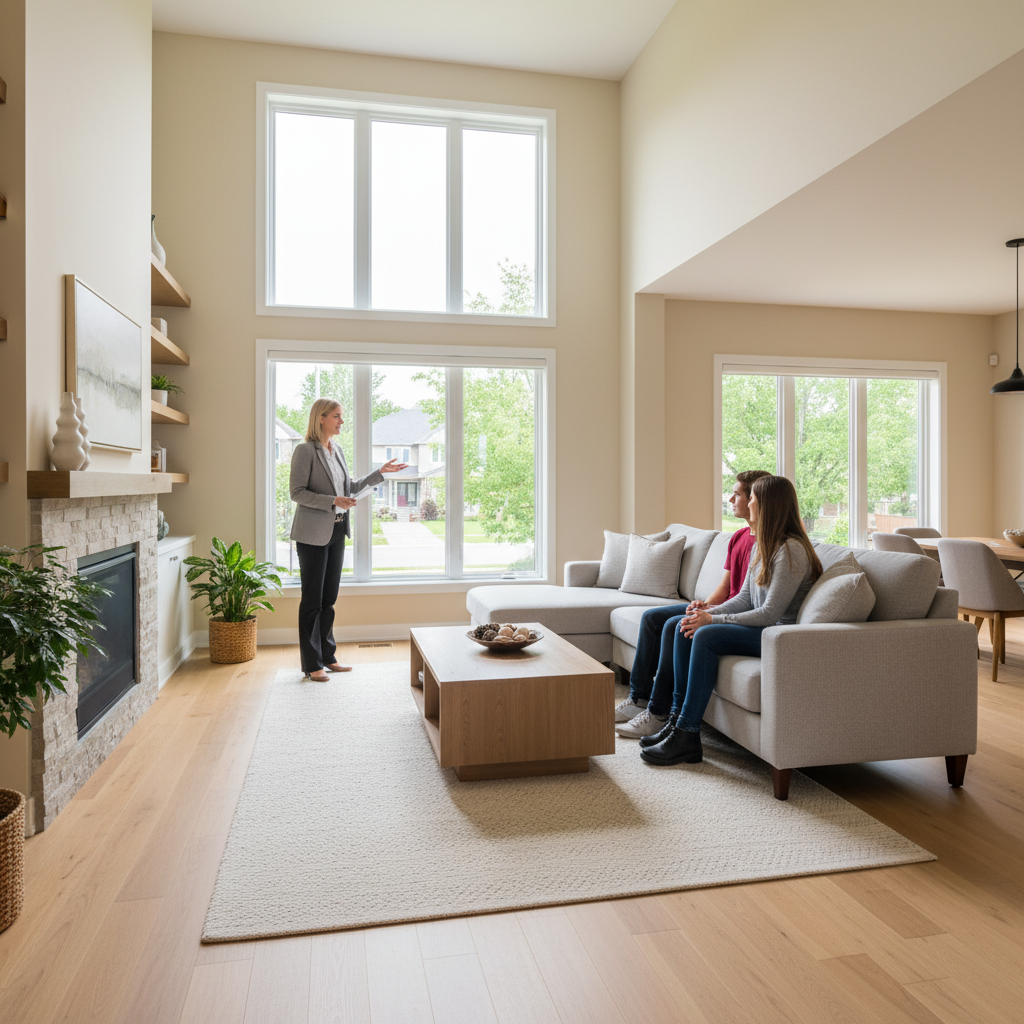
Home viewing is the in-person or virtual assessment of a property to judge condition, layout, and lifestyle fit before making an offer. In Cambridge (766 Old Hespeler Rd as our local base), we guide buyers through structured showings so you notice strengths, catch red flags, and decide confidently.
By Ashwani Puri — Trusted GTA Realtor
Last updated: June 11, 2026
Your Home Viewing Game Plan (2026 Edition)
Use a repeatable process for every viewing: prep your shortlist, inspect key systems, document findings, and debrief within 24 hours. A consistent checklist reduces bias, helps you compare homes apples-to-apples, and accelerates decisions when the right property appears.
Here’s how this complete guide helps you view homes like a pro and buy with clarity.
- Understand what a home viewing is and why it matters
- Follow a step-by-step viewing process (before, during, after)
- Spot common red flags room by room
- Use tools, checklists, and local GTA/Cambridge tips
- Compare open houses, private showings, and virtual tours
- See mini case studies from real local scenarios
Overview: What You’ll Learn
This guide covers definitions, planning, on-site evaluation, follow-up, and negotiation alignment. You’ll get checklists, red-flag cues, and local insights tailored to Cambridge, Kitchener, and the wider GTA—so you can move from casual viewing to confident offers.
We work with first-time buyers, move-up families, and downsizers daily. In our experience, most buyers evaluate 6–8 homes (plus 1–2 virtual tours) before they feel ready to write. A structure keeps the process calm, objective, and fast when timing matters.

What Is Home Viewing?
Home viewing is a focused walkthrough—virtual or in-person—designed to evaluate a property’s condition, livability, and value alignment before offering. It bridges online research and due diligence, letting you verify listing claims and uncover issues you can’t see in photos.
A viewing is not a home inspection, but a smart preview. You’re validating basics (layout, light, storage) and scanning for signals (moisture, mechanical noise, drafty windows) that inform whether to advance to inspection and negotiations.
Key purposes of a viewing
- Reality check: Confirm the home matches the listing and your must-haves.
- Condition scan: Note visible wear, water staining, odors, or settlement cracks.
- Fit and flow: Test natural light, noise levels, and movement through spaces.
- Priority filter: Decide if the property warrants a second showing or offer work-up.
In our Cambridge and GTA showings, we encourage 30–45 minutes per home on first visits and longer on second showings. Short, focused sessions minimize fatigue, which often sets in after three consecutive homes.
Why Home Viewing Matters
Thorough viewing uncovers risk, reveals value, and speeds up decisions. In Cambridge and across the Waterloo Regional Municipality, competition can be brisk; a strong process helps you act fast without missing critical details.
Photos rarely show everything. Stains, sloping floors, aging breakers, or traffic noise can be missed online. A disciplined walkthrough lets you document what’s great—and what needs attention—so you negotiate from a position of clarity.
Benefits you can bank on
- Sharper comparisons: A consistent checklist makes trade-offs explicit.
- Negotiation leverage: Documented issues support repair credits or timelines.
- Reduced surprises: Early cues inform what to prioritize at inspection time.
- Faster go/no-go: Clear notes enable same-day decisions when needed.
We’ve found buyers who maintain organized notes per address reach informed decisions about 30–50% faster than those who rely on memory alone. Simple structure beats hunches—especially after multiple viewings in one afternoon.
How Home Viewing Works (Step-by-Step)
Successful viewings follow three phases: prepare, evaluate, and debrief. Prep your shortlist and route; evaluate room-by-room with a checklist; debrief within 24 hours to decide on next steps, including a second showing, offer, or pass.
1) Before the viewing (prep in 30–60 minutes)
- Clarify must-haves vs. nice-to-haves: Bedrooms, commute time, school needs, yard size.
- Study the listing: Note recent updates, age of roof/HVAC if disclosed, and lot details.
- Map the route: Bundle 2–4 homes per outing to minimize fatigue and maximize focus.
- Set roles: One person leads photos/videos; another logs notes. That division speeds decisions.
- Pull comparables: Align expectations with recent sales so you read value correctly.
- Book smart: Aim for daylight showings; lighting reveals wear and moisture cues better.
Use our interactive map search to tighten your shortlist and build efficient viewing routes between Cambridge, Kitchener, and nearby neighborhoods.
2) During the viewing (20–45 minutes per home)
- Exterior sweep (5–7 minutes): Roofing (curling, missing shingles), grading away from foundation, downspouts, driveway cracks.
- Main systems peek (5 minutes): Furnace age tag, panel labeling, visible plumbing, water heater date.
- Living areas (5–10 minutes): Floors sloping? Doors sticking? Window drafts? Consistent finishes?
- Kitchen/baths (8–12 minutes): Water pressure, under-sink leaks, grout condition, fan noise.
- Basement/attic (if accessible): Moisture smell, efflorescence, insulation consistency, ventilation.
- Sound/light test: Street noise with windows closed; midday light in key rooms.
- Lifestyle fit: Storage, parking flow, pet logistics, work-from-home spots.
Document with 30–60 photos per address and short video clips (10–20 seconds per room). Visual evidence prevents “address blending” after a long day.
3) After the viewing (within 24 hours)
- Score each category 1–5: Condition, layout, location, price alignment, intangibles.
- Decide the path: Second showing, offer prep, or move on.
- Follow-ups: Request missing disclosures, utility averages, or clarification photos.
- Timebox: Aim to decide within 24 hours to stay competitive without rushing blindly.
If the home passes the first filter, we pivot to deeper diligence: second showing, targeted questions, and alignment on terms (closing date, inclusions, conditions) before drafting.
Types of Home Viewings (Open House vs. Private Showing vs. Virtual)
You have three primary formats: open houses for casual comparison, private showings for focused evaluation, and virtual tours for early screening or relocation scenarios. Use open houses to narrow, private showings to confirm, and virtual to save time.
When to use each format
- Open house: Quick feel for layout and finishes; ideal for early-stage discovery.
- Private showing: Deeper assessment with time to inspect details and ask questions.
- Virtual tour: Efficient for out-of-town buyers or pre-screening before travel.
| Format | Best for | Time needed | Pros | Watch-outs |
|---|---|---|---|---|
| Open House | Top-of-funnel discovery | 10–20 minutes | Low-pressure, quick comparisons | Busy, limited time for detail |
| Private Showing | Serious evaluation | 30–60 minutes | Detail-oriented, questions welcomed | Requires booking windows |
| Virtual Tour | Screening or relocation | 15–30 minutes | Fast, flexible scheduling | Depth depends on camera angles |
Want to scan what’s open this weekend? Our open house list is updated frequently so you can plan your route around Cambridge and Kitchener efficiently.
Home Viewing Best Practices (Room-by-Room)
Apply a consistent, room-by-room method: exterior first, then systems, then living areas, kitchens/baths, and storage. Capture photos, mark concerns, and verify livability (light, noise, storage, flow) so small issues don’t hide big ones.
Exterior and structure
- Roofline: Look for sagging ridges, missing shingles, or patched sections.
- Drainage: Soil should slope away from the foundation; check downspout extensions.
- Foundation: Hairline vs. stair-step cracks; water stains near baseboards.
- Porches/decks: Solid railings, no soft boards, secure ledger attachments.
Interior systems and safety
- Electrical panel: Clear labeling, tidy wiring, no scorch marks.
- HVAC: Service stickers and age tags; consistent airflow room to room.
- Plumbing checks: Under-sink moisture, water pressure test, slow drains.
- Windows/doors: Smooth operation, tight seals, no condensation in panes.
Living spaces and bedrooms
- Floors: Listen for creaks; use a small ball to test slope if needed.
- Walls/ceilings: Look for past patchwork; consistent paint sheen signals quality.
- Light/noise: Midday sunlight patterns and traffic or neighbor noise.
- Closets: Depth for hangers plus storage bins; consider seasonal rotation.
Kitchens and bathrooms
- Ventilation: Fans should exhaust strongly; fogging mirrors suggest weak venting.
- Cabinets/counters: Check for swelling near sinks; inspect caulking/grout.
- Appliance fit: Adequate clearance and working GFCIs near water sources.
- Water test: Run hot/cold simultaneously to gauge consistency and pressure.
Basement, attic, and storage
- Moisture cues: Musty smell, dehumidifiers running, fresh paint near stains.
- Insulation/venting: Even coverage in attic; soffit vents unobstructed.
- Structure: Exposed beams should be straight; note any sistered joists.
- Storage planning: Measure shelves and cold rooms; think bikes, bins, seasonal gear.
Local considerations for Cambridge
- Traffic and access near SmartCentres Cambridge can vary by weekend hours; plan viewing times to avoid peak parking congestion.
- Winter and spring thaws raise moisture risk; prioritize foundation and grading checks after freeze–thaw cycles.
- If you rely on transit, note walking time to Pinebush Station and test door drafts on windy days.
Looking for a printable checklist? Our buyer’s guide and first-time buyer tips walk through the same room-by-room structure—great for second-showing deep dives.
Common Red Flags (And When to Walk Away)
Some issues are fixable; others are deal-breakers. Watch for structural movement, active moisture, pervasive odors, amateur electrical or plumbing, and inconsistent permits. A cluster of major concerns often signals it’s wiser to keep looking.
- Foundation movement: Diagonal cracks off window corners, separated baseboards, doors that won’t latch.
- Active water: Damp walls, sump pumps running non-stop, efflorescence patterns.
- Electrical risks: Overheated panels, double-tapped breakers, excessive extension cords.
- DIY surprises: Uneven tile, mismatched flooring transitions, paint on hardware.
- Hidden smells: Heavy scents masking pet or moisture odors; check closets and corners.
- Roof integrity: Curling shingles, sagging sheathing, daylight visible in attic.
One red flag isn’t an automatic pass, but three or more across structure, moisture, and electrical often shifts a home into “too risky for the price” territory. When in doubt, we document thoroughly and re-evaluate against recent comparables.
Organizing Your Notes and Media
Create one folder per address with photos, short room-by-room videos, and a one-page scorecard. This organization keeps comparisons clean and speeds offer decisions by hours or even days.
- Naming: Use “Street-Address_Date” for folders; number photos by room order.
- Scorecard: 1–5 ratings on condition, layout, location, and intangible “feel.”
- Tagging: Flag 3 must-fix items and 3 favorite features per home.
- Debrief: Hold a 15-minute recap within 24 hours to pick your next step.
For more discovery structure (alerts, saved searches, and notes), use our new listing alerts and neighborhood alerts to spot matches faster.
Aligning With Your Agent During Viewings
Set clear roles and communication norms with your buyer’s agent. Decide how you’ll share notes, what deal-breakers look like, and how fast you can mobilize for a second showing or offer.
- Signal plan: Green/Yellow/Red rating after each home keeps priorities in sync.
- Response time: Agree on text vs. email and typical reply windows.
- Offer readiness: Pre-assemble ID docs and preferences to reduce friction.
- Second-showing focus: Choose 2–3 deep-dive items (e.g., attic, panel, grading).
Our role is to protect your interests and pace the process. If a property moves to the shortlist, we immediately clarify terms that matter most to you—timelines, inclusions, and conditions—so drafting is efficient.
How a Viewing Feeds Negotiation Strategy
Well-documented findings translate into clearer offer terms—timelines, conditions, and requests. Photos and notes give you leverage for repairs, credits, or timing that fits your move.
- Terms alignment: If moisture risk exists, prioritize inspection timelines and access.
- Inclusions clarity: Photograph appliances and fixtures you expect to stay.
- Condition-related asks: Use documented issues to support reasonable remedies.
- Confidence: A strong paper trail reduces second-guessing after acceptance.
When the right home appears, speed matters. Organized notes and clear priorities allow same-day offers without feeling rushed—because the groundwork is already done.
Tools and Resources We Recommend
Use a shortlist builder, route planner, photo/video checklist, and a one-page scorecard. Pair these with saved searches and alerts so you waste less time and spot the right homes first.
- Search smarter: Build routes with our map search across Cambridge, Kitchener, and nearby areas.
- Weekend planning: Check our current open house properties.
- Stay ahead: Turn on new listing alerts for your top streets or school zones.
- Prep knowledge: Read our buyer’s guide before your first viewing day.
- Thinking of selling too? Our seller’s guide covers pre-list prep and showing strategy.
For extra pre-tour structure, this Mississauga home-buying checklist offers a helpful overview. For broad process context, see this property-for-sale guide and this real estate app overview for tech-savvy shortcuts.
Case Studies and Real-World Examples
Mini case studies show how structure leads to better outcomes. These snapshots reflect common scenarios we see with GTA and Cambridge buyers—first-time, move-up, and relocation.
Case 1: First-time buyer in Cambridge
- Context: Two-bed townhome near commuter routes.
- Action: Three private showings; window and grading checks flagged early moisture risk.
- Outcome: Buyer pivoted to a similar unit with better drainage; avoided future headaches.
Case 2: Move-up family in Kitchener
- Context: Needed a fourth bedroom and office nook.
- Action: Used scorecards across six homes; debriefs within 24 hours sharpened priorities.
- Outcome: Wrote a clean, timely offer aligned to disclosures; closed with confidence.
Case 3: Relocation with virtual-first viewing
- Context: Buyer out-of-province with tight travel windows.
- Action: Two virtual tours narrowed to one in-person day with four private showings.
- Outcome: Offer submitted same evening, supported by thorough notes and videos.
These stories repeat a theme: a steady process prevents rushed decisions and helps you pivot fast when new information appears.
Frequently Asked Questions
Get clear answers to the most common viewing questions—from timing and etiquette to second showings and virtual tours—so you can focus on making the right call for your goals.
How many homes should I view before making an offer?
There’s no magic number, but many buyers feel ready after 6–8 in-person showings plus 1–2 virtual tours. Track must-haves, document red flags, and compare with a scorecard. When a home fits 90% of your needs and the risks are understood, it’s worth serious consideration.
What should I bring to a home viewing?
Bring your checklist, phone for photos and short videos, a tape measure, and a notepad or digital notes app. Wear comfortable shoes and plan for 30–45 minutes per home. If you’re serious, bring a few key questions about systems, updates, and any disclosures.
What’s the difference between a viewing and a home inspection?
A viewing is your first-pass evaluation of livability and obvious condition; a professional inspection is a deep, technical assessment of major systems and safety. Viewings determine if the home merits an offer or inspection. Inspections verify condition and risks before firming up.
Is a second showing necessary?
If a property makes your shortlist, a second showing is wise. Focus on unresolved questions: attic, electrical panel, grading, or specific rooms. Revisit at a different time of day to check light and noise. A targeted second look often reveals what photos and first impressions miss.
Conclusion and Next Steps
Home viewing is your decision engine. With a clear plan, detailed notes, and local guidance, you’ll spot risk earlier, act faster, and write stronger offers. Structure turns uncertainty into momentum.
Here’s how to turn this into action today.
- Set your must-have list and create a simple 1–5 scorecard.
- Build a shortlist using our map search and set alerts.
- Plan a three-home tour with daylight showings and room-by-room photos.
- Debrief within 24 hours; decide on a second showing or pass.
- When the fit is right, align terms and move to a clean, confident offer.
Soft CTA: Want a personalized viewing plan? Book a quick consult and we’ll tailor routes, checklists, and second-showing focus areas to your goals.
Key takeaways
- A consistent viewing method reduces bias and speeds decisions.
- Room-by-room structure exposes red flags early.
- Organized notes translate into stronger offers and better terms.
- Local timing, weather, and transit shape what to check (and when).