
How to evaluate a property before you make an offer
How to use this checklist
This article is an ordered, practical checklist for buyers, sellers, and investors in the Greater Toronto Area who want to know exactly how to evaluate a property before they commit. Use the first sections to screen online listings, bring the on-site checklist to viewings, and follow the explicit stop points where you should pause and call a professional, such as an inspector, appraiser, or realtor.
Print or copy the properties link to compare live listings while you follow these steps. The checklist separates must-have signals from nice-to-have trade-offs so you can prioritise what matters for your budget and lifestyle. Consumer checklists recommend separating must-haves and nice-to-haves ahead of time to evaluate homes faster and more consistently during tours; for an example checklist, see the guidance at NerdWallet Canada.
Step 1: Quick remote screen before you visit
Save time and avoid unnecessary trips by checking these items before booking a showing.
- Price versus recent sales: Compare the list price to recent sold prices in the same neighbourhood and for similar property types. If the gap looks large, make a note to ask why.
- Photos and floor plans: Look for clear signs of disrepair—sagging ceilings, major cracks, water stains, or unfinished rooms. Photos that hide basic systems (furnace, hot water tank, roof) are a red flag to investigate.
- Listing history: Multiple recent price drops, long time on market, or repeated relists can indicate issues or an unrealistic original price.
- Basic title and municipal alerts: Check municipal property pages and online notices for work orders, zoning changes, or outstanding permits that could affect use or cost.
- Neighbourhood context: Use mapping tools to check transit, noise sources, and nearby amenities so you know if the location matches your priorities.
These remote checks help you prioritise viewings and form focused questions for the listing agent or seller.
Step 2: On-site walkthrough checklist

Follow this ordered sequence during every showing. Bring a notebook, your phone to photograph issues, and a tape measure. Use the short pass/fail stop points to decide whether to continue, investigate further, or walk away.
Exterior first impressions
- Look for even grading away from the foundation, clear downspouts, cracked or loose siding, and the condition of the driveway and walkways.
- Stop point: significant foundation cracks, chronic ponding near the foundation, or visible major structural settling. Pause and consult a professional.
Roof, drainage, and chimneys
- Check the roofline for missing shingles, sagging, or unevenness. Ask how old the roof and other exterior systems are.
- Stop point: visible water staining in the attic or shingles beyond expected life. Plan a roof inspection or require seller disclosure.
Interior layout and storage
- Confirm room sizes, traffic flow, natural light, ceiling height, closet space, and whether the layout fits your needs now and in the future.
- Measure at least the primary rooms and photograph odd layouts or low headroom areas for later reference.
Mechanical systems and utilities
- Note the age and location of the furnace, hot water tank, electrical panel, and visible plumbing. Ask for service records if available.
- Stop point: knob-and-tube wiring, unsafe electrical panels, or oil heating in a location where conversion costs are high. Get a specialist opinion before proceeding.
Moisture, pests, and indoor air
- Smell for mustiness, look for mould stains, check under sinks, and look for signs of pests or rodent droppings. Use a flashlight for basement corners and behind appliances.
- Stop point: active leaks, visible mould, or extensive pest signs. Hire a home inspector and pause offers until you know repair scope and cost.
Safety issues and code compliance
- Ensure smoke and CO detectors are present, guard rails meet standards, and stairways are stable. Check for proper egress in finished basements.
- Stop point: missing safety systems or illegal conversions that expose occupants to risk. Get an expert review and consider municipal compliance checks.
Cosmetic versus structural red flags
- Cosmetic items: paint, wallpaper, carpets. These are usually negotiable and relatively low cost.
- Structural items: foundation cracks, major roof sag, or persistent water intrusion. These are high cost and require professional assessment.
- Quick rule: if you suspect a structural or system failure, stop and arrange a specialist inspection before making an offer.
Step 3: Check value signals and use comparables
After the tour, build a simple comparative market check to judge whether the price fits the market.
- Gather recent sold listings for the same neighbourhood, similar lot size, and property type. Use sold prices from the last three to six months if available to reflect current market conditions.
- Adjust for differences: add or subtract value for larger lot size, recent full renovations, finished basements, or significant deferred maintenance.
- Factor in location premiums: proximity to transit, schools, and employment centres in the GTA can materially affect value.
- When to ask for a CMA: If you are uncertain about adjustments or need a defensible offer strategy, ask a realtor for a comparative market analysis that includes neighbourhood-specific evidence and current market appetite.
If you want active local listings to compare while you evaluate properties, browse the live properties feed or contact a GTA real estate agent for a tailored CMA.
Step 4: Ontario-specific checks and heritage considerations
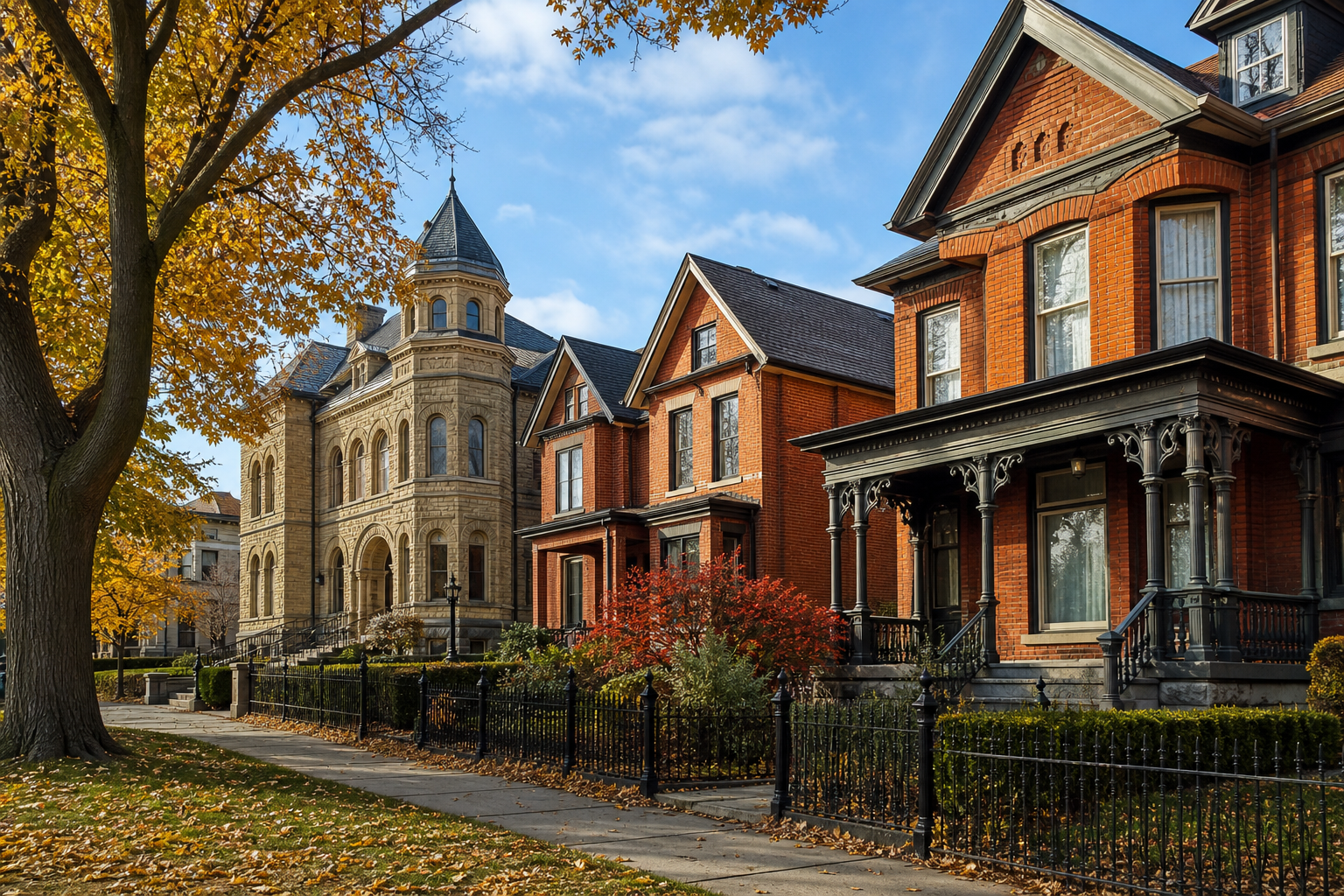
Older or character homes in Ontario may have heritage value or designations that change renovation options and permitting. The Ontario government provides a formal framework for assessing cultural heritage value and recommends research and site analysis when evaluating heritage features. Review the official guidance for heritage property evaluation at the Ontario website before you proceed with offers on older properties.
Key steps for Ontario properties:
- Search municipal heritage registers and property records early. A designation can limit exterior changes and sometimes affect interior work.
- If heritage controls apply, ask the municipality about permit processes and potential conservation easements before making an offer.
- Stop point: a heritage designation that prevents key renovations you need. Get municipal confirmation and written scope before proceeding. For official evaluation guidance, see the Ontario heritage property evaluation resource.
Step 5: Explicit stop points and who to call
Use these triggers to know when to escalate and which professional to contact.
- Home inspector: Hire when you find leaks, suspect structural issues, or before finalizing an offer. A full home inspection identifies safety risks and major defects.
- Specialist trades: Call a structural engineer for foundation concerns, an electrician for unsafe wiring, or a plumber for chronic drainage problems.
- Appraiser: Commission if you need an independent valuation for financing or to resolve a large price dispute.
- Municipal or title search: Order when zoning, permits, or potential liens are unclear, or if municipal work orders appear in your remote screen.
- Realtor: Contact a GTA real estate agent for negotiation strategy, to request a vendor property disclosure, or to get accurate comparables and market context. An experienced agent can coordinate inspections and specialist quotes.
Stop and call a professional if the estimated repair or remedial work would increase your purchase cost beyond your budget tolerance, or if repairs would affect habitability or insurability.
Weighing trade-offs: decision criteria and real objections
Score each property on four core criteria to make objective decisions: location, condition, price, and adaptability. Give each criterion a score from one to five and total the results to compare options.
- Location: commute, schools, amenities, and resale potential.
- Condition: visible wear, system ages, and expected short-term repairs.
- Price: how the list price compares to adjusted comparables.
- Adaptability: space for future changes, allowed renovations, and long-term fit.
Common buyer objections and how to treat them:
- "I can fix it later": Acceptable for cosmetic work, not for systems that may be uninsurable or that require immediate replacement. Always quantify the cost before assuming upgrades are practical.
- "The house is priced to allow renovations": Verify with comparables and contractor quotes; a perceived renovation allowance is not a guarantee of value.
- "This neighbourhood is up-and-coming": Consider current comparables and municipal plans; future appreciation is not a substitute for current condition and functionality.
Consumer advice recommends listing must-haves versus nice-to-haves before touring properties so you apply the same standards consistently across homes and reduce emotional decision-making during bidding or negotiation.
Next steps and how I can help
If you want a tailored comparative market analysis, inspection referrals, or negotiation support in the Greater Toronto Area, contact me for a consultation. I can arrange reliable inspectors, get contractor estimates for major repairs, and prepare a negotiation plan based on local sold evidence. To see live listings and begin screening with the checklist above, visit the properties page or contact me through the homepage.
Frequently asked questions
When should I hire a home inspector during the buying process
Hire a home inspector as soon as you have a firm interest in a property and before removing any subjects or finalizing an unconditional offer. If you discover significant issues during inspection, you can use that report to renegotiate, ask for repairs, or withdraw if allowed by your conditions.
How do I find comparable sales in my GTA neighbourhood
Start with recent sold listings in the same neighbourhood and similar property type, then adjust for lot size, finished area, and condition differences. If you want a formal comparative market analysis with accurate adjustments, ask a local realtor to prepare a CMA using MLS sold data.
What does a heritage designation mean for future renovations and permits
A heritage designation can limit exterior work and may require specific approvals for changes. The Ontario government provides criteria and a process for evaluating heritage property value and interest; check municipal heritage registers and the provincial guidance before making renovation plans or offers. For details, consult the Ontario heritage property evaluation resource.
What if I discover major issues after I have an accepted offer
If your offer included conditions such as an inspection, use the inspection clause to renegotiate or withdraw. If you accepted unconditionally and then discover issues, consult your realtor immediately to explore legal and contractual options, and contact specialists to get remediation quotes to inform your next steps.
If you would like help applying this checklist to a specific listing in the GTA, or to request a comparative market analysis and inspection referrals, contact Ashwani Puri for a consultation.