
Multiunit homes for sale are residential properties with two to four self-contained units in one structure, such as duplexes and triplexes. These buildings let you live in one unit and rent the others, or lease all units to generate income. In Cambridge, they’re a practical path to house-hacking and long-term equity.
By Ashwani Puri • Last updated: 2026-06-27
Overview: How to Buy a Multiunit Home (2026)
Buying a multiunit home follows a clear plan: define goals, get pre-approved, search and evaluate, write a strong offer, complete inspections and financing, and close with confidence. In Cambridge, working with a local realtor and lender familiar with 2–4 unit lending and bylaws is the fastest, safest route.
This complete guide shows you how to find, analyze, finance, and manage multiunit properties in Cambridge and across the GTA. You’ll learn the steps, documents, rules, and best practices we use with local buyers so you can move quickly and avoid rookie mistakes.
- What counts as a multiunit and how it’s defined
- Why duplexes and triplexes build wealth differently
- Step-by-step buying process (with checklists)
- Financing rules for 2–4 units and owner-occupied options
- How to analyze rent, expenses, and cash flow
- Permits, zoning, and legal-unit compliance
- Cambridge-specific tips and timing
For a broader context on home purchase planning in Ontario, see this practical buying guide overview. It complements our approach and helps you prep documents before you tour.

What Is a Multiunit Home?
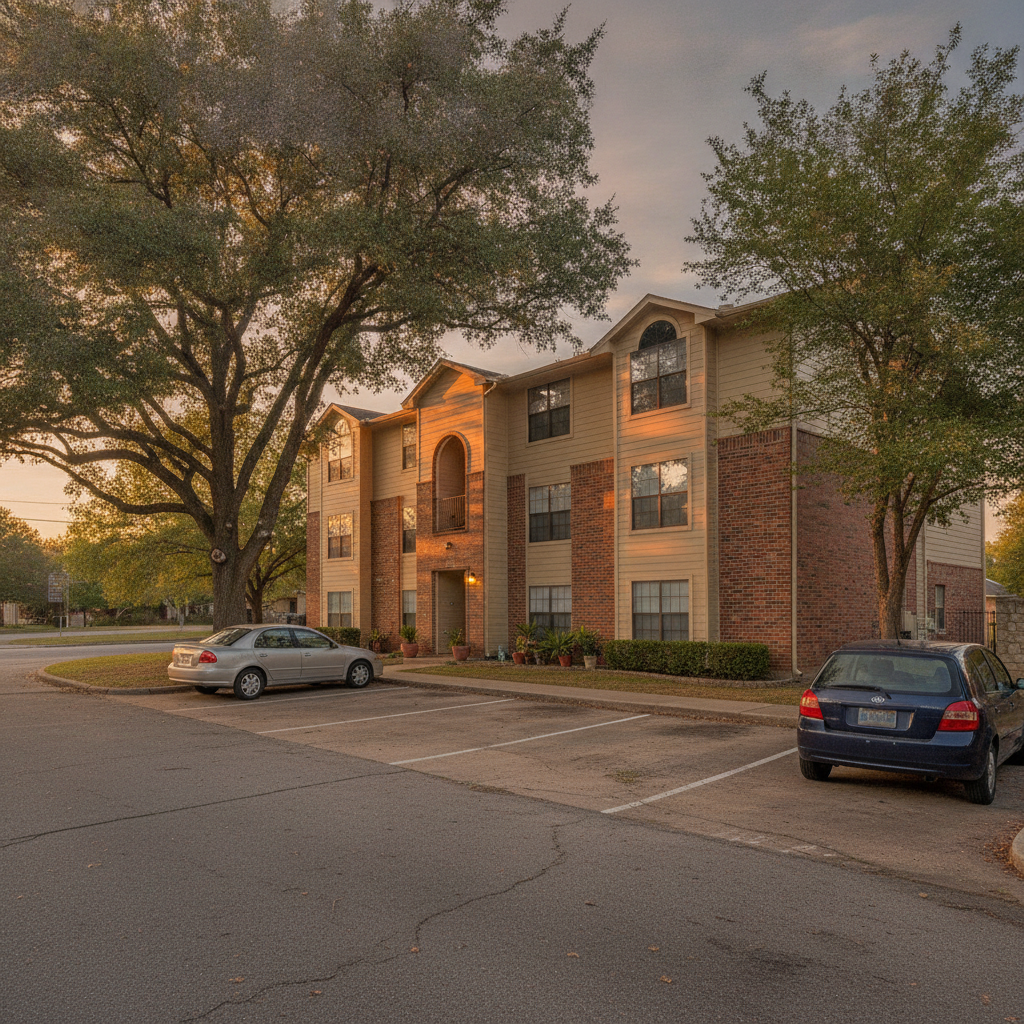
A multiunit home is a small residential building with two to four separate dwelling units—commonly duplexes, triplexes, and fourplexes. Each unit has its own kitchen, bath, and entrance. Buyers use them for owner-occupied “house hacking” or as income properties with professional management.
In residential real estate, “multiunit” usually covers 2–4 units under one title (duplex, triplex, fourplex) and excludes apartment buildings with five or more units. Each unit is self-contained, with a dedicated kitchen and bathroom, and often separate utilities. These homes can be purpose-built or legally converted over time, and value depends heavily on compliance and maintenance standards.
Local considerations for Cambridge
- Plan showings near SmartCentres Cambridge to combine tours and errands on the same route.
- Peak listing activity clusters in spring and early fall; book inspections early around Pinebush Station transit hours to avoid delays.
- Confirm legal-unit status and parking minimums before offer—this is a frequent snag for buyers targeting secondary suites.
If you’re brand new to the process, our plain-language first-time buyer playbook explains terminology, timelines, and who does what—useful context before you shift to income-focused analysis.
Why Multiunit Homes Matter in Cambridge and the GTA
Multiunit homes build equity faster by pairing shelter with rental income. In Cambridge, one unit can offset a large share of carrying obligations while you live in another. Over time, rent growth and principal paydown amplify returns compared with single-unit ownership.
Here’s the big picture: you’re purchasing a residence and a small business at once. One unit can help cover payments; the rest compound returns. In markets like Cambridge and nearby Kitchener-Waterloo, demand for well-located 2–4 unit rentals stays resilient due to employment centers, schools, and transit nodes. Well-kept duplexes and triplexes in established neighborhoods tend to attract stable tenants and produce steadier occupancy than scattered basement suites.
- Income diversification: Multiple leases mean less exposure to a single vacancy.
- Flexibility: Live in one unit today, rent it later, or swap units as your needs change.
- Documentation trail: Clean records (leases, inspections, rent rolls) reinforce value when refinancing or selling.
- Exit optionality: You can sell to homeowners (especially duplexes) or investors (triplexes/fourplexes), which can broaden your buyer pool.
When we guide Cambridge clients, we emphasize durable cash flow and lawful suites over speculative appreciation. That conservative stance reduces surprises and keeps your portfolio resilient when conditions tighten or rates shift.
How the Buying Process Works (Step-by-Step)
The best way to buy a multiunit: align strategy, secure financing, tour targeted properties, analyze numbers, structure a clean offer, and manage conditions to closing. Local expertise compresses timelines and protects you from zoning or legal-unit surprises.
- Clarify goals: House-hack vs. full investment; short hold vs. long-term. Decide early how you’ll operate (self-manage or hire management).
- Pre-approval: Share projected rental income and down payment sources. Ask lenders how they treat 2–4 units and ADUs.
- Search brief: Neighborhoods, unit mix, parking, transit, and rent ceiling. Capture must-haves and deal-breakers in writing.
- Tour and screen: Assess condition, layouts, separate meters, and fire separations. Note any visible red flags for follow-up.
- Financials: Review in-place rents, market rents, utilities split, and operating expenses. Model vacancy and maintenance reserves.
- Offer strategy: Structure terms that win without sacrificing diligence—consider inspection, appraisal, and legal review timelines.
- Inspections: Building, electrical, plumbing, roof, and fire code. Request access to all units; partial access is a red flag.
- Appraisal and underwriting: Respond promptly with documents, rent rolls, and leases. Keep communication tight to hit deadlines.
- Legal review: Verify leases, estoppels, unit status, and tenancy rules. Confirm all units are lawful and documented.
- Close and onboard: Utilities, insurance, tenant communications, and a maintenance calendar for the first 90 days.
| Phase | Your focus | Outcome |
|---|---|---|
| Plan | Define goals and criteria | Clear search brief |
| Finance | Pre-approval with 2–4 unit experience | Confident offer power |
| Analyze | Rent, expenses, risks, reserves | Greenlight or pass |
| Transact | Clean terms, tight timelines | Accepted offer |
| Close | Conditions, onboarding, compliance | Keys in hand |
Want a primer before you start? Our step-by-step buyer’s guide covers timelines, contingencies, and how to work as a team with your lender, lawyer, and inspector.
Offer terms that win without regret
- Make timelines tight but realistic (e.g., inspection access for all units).
- Request seller disclosures on unit legality and permits up front.
- Use deposit and irrevocable timing strategically to signal commitment.
Strong, clean terms improve acceptance odds, but the goal is a balanced agreement that still lets you verify compliance and numbers.
Types of Multiunit Properties
Common multiunit options include duplexes (2 units), triplexes (3), and fourplexes (4). Variations range from side-by-side town-style layouts to up/down conversions and legal accessory suites. Each type trades off privacy, rent potential, maintenance, and financing considerations.
- Duplex: Two units, often up/down or side-by-side; broadest buyer pool and simpler operations for first-time owners.
- Triplex: Three units; stronger rent potential with more management needs and utility coordination.
- Fourplex: Four units; income scale with added systems complexity and stricter underwriting.
- Accessory dwelling unit (ADU): A legal basement or garden suite paired with a main unit; verify compliance carefully.
- Purpose-built vs. conversion: Purpose-built often boasts better fire separations and egress; conversions need paperwork proof.
Curious what else is on the market while you narrow criteria? Browse current residential listings we track to learn neighborhoods, layouts, and recurring features in Cambridge and the nearby tri-cities.
Financing and Affordability Factors
Financing 2–4 unit properties depends on occupancy, rental income, and underwriting standards. Lenders assess debt ratios using verified rents and your income. Owner-occupied financing can offer more flexible terms than pure investment loans for the same property size.
Underwriters look for a complete file and consistent narratives. When you show accurate rent rolls, signed leases, and clear utility splits, your approval odds improve. Owner-occupied buyers often access friendlier terms than non-owner scenarios, but policies vary. A documented maintenance plan and realistic reserves demonstrate you’re a stable operator, not a speculator.
- Owner-occupied advantage: Living in one unit can unlock friendlier underwriting and insurance options.
- Rental worksheets: In-place and market rents are applied using lender formulas; confirm how your lender models offsets/add-backs.
- Reserves matter: Planning for repairs and vacancies signals risk awareness and operational competence.
- Documentation: Rent rolls, leases, T1/NOA, job letters, bank statements, and a summary of utilities and services.
To experiment with numbers before you shop, try our simple mortgage calculator and Canada-focused CMHC calculator. These tools won’t replace lender policy, but they help you stress-test scenarios and set realistic expectations.
Owner-occupied vs. non-owner financing
- Owner-occupied 2–4 units often have more flexible terms than investment-only loans.
- Non-owner loans can demand stronger reserves and tighter ratios.
- Always get policies in writing and align your offer timelines to underwriting needs.
Keep communication crisp with your lender. Respond within 24–48 hours to document requests to keep appraisals and approvals on track.
Evaluating Deals: Income, Expenses, Cash Flow
Evaluate a multiunit by projecting gross rent, subtracting all operating expenses and realistic reserves, and stress-testing vacancy. Focus on durable cash flow first; appreciation is the bonus you earn for operating well.
We encourage three scenarios—base, downside, and upside—before every offer. Measure sensitivity to vacancy, rate changes, and unexpected maintenance. Count every recurring line item (snow removal, lawn, common-area lighting). Budget a realistic turnover allowance even in “stable” buildings; small gaps happen. Conservative math wins deals you’ll be proud to own five years from now.
- Income: In-place and market rents, plus parking, storage, and coin-op laundry.
- Expenses: Taxes, insurance, utilities, repairs, common-area bills, and management.
- Reserves: Set aside funds for roof, furnace, windows, and turnovers.
- Stress tests: Model vacancy and higher rates before you write the offer; require the deal to hold.
For operational planning after you close, this concise property networks guide outlines how consistent vendor relationships reduce downtime between turnovers.
Zoning, Permits, and Legal-Unit Compliance
Before waiving conditions, verify each unit is legal, safe, and compliant. Confirm zoning, fire separations, parking, and building permits. Document everything—future refinancing and resale value depend on clean records and lawful suites.
Compliance underpins value. Fire-rated assemblies, smoke/CO alarms, proper egress, and documented permits aren’t optional. Save correspondence and approvals in a digital “building file”—buyers and lenders reward clean paperwork. If a unit is nonconforming, weigh the remediation plan and timeline; sometimes a strong deal survives with the right fix and terms.
- Legal status: Verify permits and occupancy for each unit and any ADU.
- Fire code: Confirm separations, alarms, and exits; safety and insurance depend on it.
- Parking and waste: Meet minimums to avoid bylaw issues and neighbor complaints.
- Records: Retain plans, inspections, and city correspondence for refinancing and exit.
Not sure what maintenance to prioritize first? A quick primer on finishes for small buildings—like this overview of flooring and tiling choices—can help you plan durable, easy-to-clean common areas.
Risks and How to Mitigate Them
The biggest risks in multiunit buying are hidden defects, noncompliant suites, and overestimating rent. Counter them with thorough inspections, municipal verification, realistic pro formas, and contingency reserves for CapEx and vacancy.
Every building has quirks. The goal is to surface them before you commit. Ask for full access to all units, check electrical panels and plumbing stacks, and look for moisture in basements and bathrooms. Cross-check advertised rent against market comparables. Build a 90-day reserve so a single issue never derails your first year.
- Condition risk: Wiring age, roof life, foundation, and drainage.
- Tenant risk: Unverified income history, late-payment patterns, or unauthorized occupants.
- Market risk: Rent softness in specific micro-neighborhoods.
- Operational risk: Self-managing without processes or vendor backups.
We flag deal-breakers early and propose fixes where feasible—adjusting terms, adding conditions, or negotiating repairs—so you keep momentum without gambling on hope.
Best Practices for First-Time Multiunit Buyers
Start simple, document everything, and buy for durable income. Favor layouts with privacy, separate utilities when possible, and light value-add opportunities you can complete safely and legally within your first year.
Our Cambridge clients do best when they adopt systems from day one—templates for tenant onboarding, a monthly maintenance calendar, and a single spreadsheet tracking income, expenses, and reserves. Clarity beats complexity. Duplexes with proven, lawful suites are the best “first win” for many buyers.
- Target duplexes/triplexes with clear legal status and parking.
- Use written criteria to avoid emotional offers and bidding fatigue.
- Prep your inspector, lawyer, and lender before tours to move fast.
- Keep a 90-day reserve for repairs and turnover.
- Create tenant onboarding checklists and response SLAs.
If you’re comparing mortgage options, our quick explainer on mortgages for your home pairs well with the calculators linked above.
Tools and Resources We Recommend
Use a structured toolkit: multiunit-savvy lender, experienced realtor, inspector familiar with fire code, and a lawyer who handles income properties. Add MLS search alerts, rent comparables, and a simple analyzer calibrated to your lender’s rules.
- Set MLS alerts for “duplex,” “triplex,” and “fourplex” to spot new listings early.
- Track rent comparables monthly to keep underwriting grounded in reality.
- Build a roster of contractors for plumbing, electrical, roofing, and cleaning.
- Use simple analyzers and our mortgage calculator to rehearse offers.
When the right property hits the market, speed and accuracy help you win. Prepared buyers write better offers in less time—and sleep better after acceptance.
Mid-article consultation invite
- Want our Cambridge-specific checklist for multiunit tours?
- Need a quick pro forma review before you submit?
- Message us and we’ll line up a focused, 20-minute consult this week.
Cambridge Case Studies and Examples
Small, specific wins add up: a house-hack duplex near transit with separate meters; a triplex stabilized with clear leases; a fourplex improved by modest updates. Each example shows how steady execution compounds returns without gambling on speculation.
House-hack duplex: A Cambridge buyer occupied the larger unit and set fair-market rent on the second. With better lighting in common areas and clear tenant onboarding, issues dropped and occupancy stabilized. The building file—permits, inspections, and leases—made later refinancing smoother.
Triplex cleanup: We standardized leases, clarified utilities, and introduced a simple maintenance calendar. Vacancies shortened, and tenant satisfaction improved as common-area upkeep became consistent and predictable.
Fourplex light value-add: Minor hallway paint, LED lighting, and tidy landscaping improved curb appeal. The upgrades were modest but targeted, and tenant retention strengthened over the next renewal cycle.
Market Drivers (Without Quoting Prices)
Multiunit values respond to location, legal status, condition, rent levels, and interest rates. Focus on controllables: compliance, tenant quality, and maintenance planning. Over time, disciplined operations typically improve both cash flow and exit options.
Think in playbooks, not headlines. Location near transit, employment centers, and schools tends to hold demand. Legal units and documented compliance draw stronger lender and buyer confidence. Properties with clean utility splits, sensible layouts, and low-maintenance finishes are easier to keep occupied and operational.
- Location drivers: Proximity to transit, employers, and services sustains demand.
- Regulatory clarity: Lawful suites and permits reduce lender friction.
- Physical condition: Roofs, windows, wiring, and drainage influence stability.
- Tenant experience: Clean common areas and quick responses reduce turnover.
Frequently Asked Questions
Common questions include how financing treats rental income, whether owner-occupancy helps approval, what makes a unit legal, and how to analyze cash flow. Clear answers and written checklists prevent avoidable surprises later.
What counts as a legal unit?
A legal unit meets zoning, building, and fire code with permits and inspections on file. It has its own kitchen, bathroom, safe egress, and required fire separations. Always verify unit status with municipal records before removing conditions.
Can I use projected rent to qualify?
Lenders often consider in-place or market rents, but treatment varies by policy and occupancy. Provide leases or a rent letter from an appraiser, and ask your lender how they apply rental offsets or add-backs for 2–4 unit properties.
Is house hacking still worth it?
Yes, if you buy a compliant property with steady demand and budget for reserves. Living in one unit can improve loan terms and offset carrying obligations. The key is conservative analysis and professional management practices from day one.
Next Steps and Key Takeaways
Success with multiunit properties comes from clear goals, conservative numbers, airtight compliance, and a well-coordinated team. Start small, document everything, and rely on local experts who know Cambridge bylaws, lenders, and rental demand.
- Define your strategy and get a multiunit-aware pre-approval.
- Create a search brief with must-haves and deal-breakers.
- Use pro formas that include reserves and vacancy tests.
- Verify legal-unit status before committing.
- Work with a Cambridge realtor who buys and sells multiunit homes regularly.
Key takeaways
- Buy for durable income; treat appreciation as a bonus.
- Compliance and documentation protect value at refinance and exit.
- Systems—checklists, calendars, vendor lists—beat ad hoc scrambling.
Ready to explore multiunit homes for sale in Cambridge? Let’s map a search, run numbers, and tour the right candidates this week.